
Homelessness in Australia: Key Facts You Need to Know
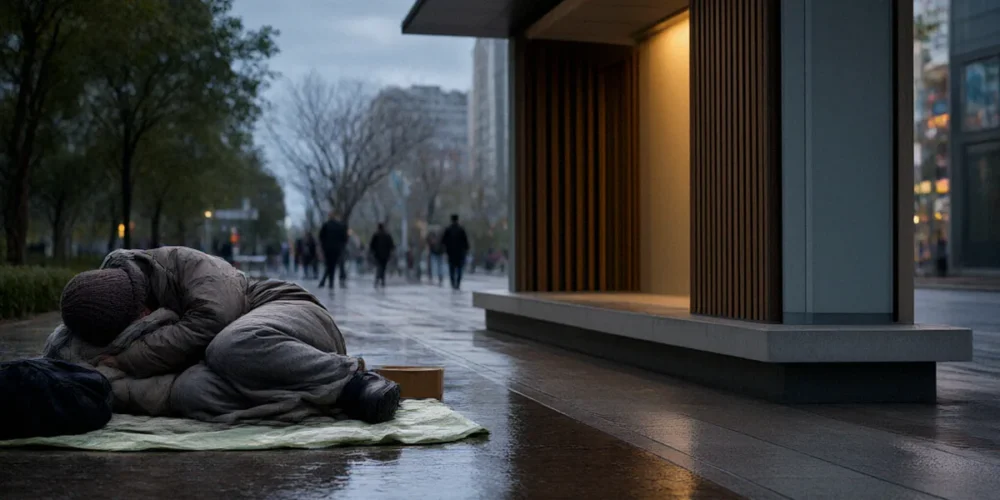
On any given night, more than 122,000 Australians experience homelessness. That’s roughly the population of a mid-sized city, and yet most of us walk past without noticing. At stmerkorious.org, we’ve spent enough time ladling soup, sorting rescued produce and chatting with people doing it tough to know that homelessness rarely looks the way people imagine. It isn’t always a sleeping bag under a bridge. Often it’s a family squeezed into a motel room, a teenager on a mate’s couch, or an older woman living in her car. This guide breaks down what homelessness actually looks like in Australia, the numbers behind it, what’s causing it, and how charity, community meals and volunteering are making a difference.
What Does Homelessness Look Like in Australia?
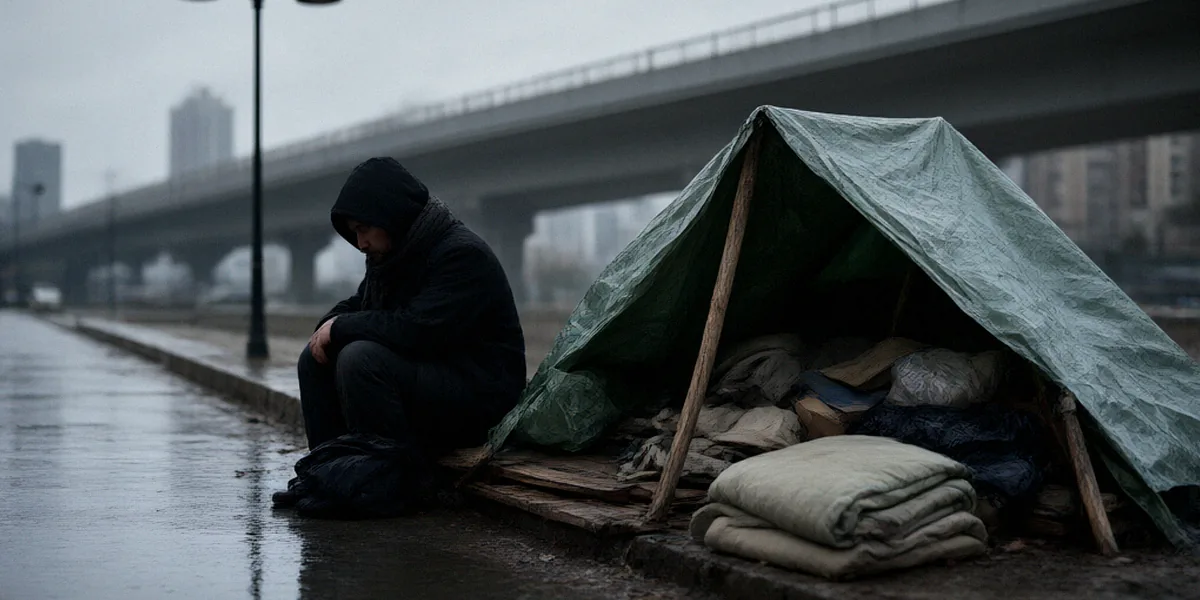
When most of us picture homelessness, we picture rough sleeping. But rough sleeping is only the most visible tip of a much larger problem. The Australian Bureau of Statistics (ABS) uses a broader definition that captures anyone without a suitable, secure or safe place to live. That includes people in temporary lodging, boarding houses, severely overcrowded dwellings, and those “couch surfing” between friends’ and relatives’ homes.
This broader definition matters because it reveals how many Australians are living on the edge. It also reveals who they are. One in seven people experiencing homelessness in Australia is a child. That’s roughly 17,600 children on Census night 2021, many of them part of families pushed out of the private rental market or fleeing violence.
The Hidden Faces of Homelessness
We’ve met plenty of people who would never describe themselves as homeless. A grandmother sleeping in her car to avoid a violent partner. A young apprentice couch surfing because his family home is overcrowded. A university student rotating between friends’ spare rooms. These are the hidden faces of homelessness, and they’re far more common than the stereotype of a person sleeping rough in the CBD.
Because these situations are less visible, they’re also easier for policymakers and the public to overlook. If we only count the people we can see, we’ll only ever respond to a fraction of the problem.
Why the ABS Count Matters
The ABS counts homelessness on Census night, and while it’s an imperfect snapshot, it’s the most reliable national picture we have. It shapes funding, policy and where charities direct their resources. Without accurate data, services are left guessing, and people in need fall through the cracks.
Key Statistics and Trends Across the Country
On Census night 2021, 122,494 people were experiencing homelessness in Australia (ABS). That’s a 5.2% increase from 2016. The numbers tell a story of a crisis that’s growing, not shrinking, and one that touches every state and territory.
- 23% of people experiencing homelessness were in New South Wales
- 24% were in Victoria
- 44% of people experiencing homelessness are female
- 23% are Indigenous Australians, despite making up just 3.2% of the population
That last figure deserves a pause. Indigenous Australians are overrepresented in homelessness by a factor of more than seven. It reflects generations of dispossession, housing discrimination and inadequate services in remote communities.
State-by-State Breakdown
NSW and Victoria carry the largest shares, but homelessness is a national issue. Queensland, Western Australia, South Australia and the Northern Territory all report significant numbers, with the NT consistently recording the highest rate per capita. Regional and remote areas often have the least access to support services, which makes the problem harder to see and harder to solve.
The Rise in Older Women Experiencing Homelessness
One of the most alarming trends we’ve seen is the rise in older women experiencing homelessness. Women over 55 are the fastest-growing group of people seeking help from specialist homelessness services. Many have spent decades out of the workforce raising families, then find themselves with no superannuation, no savings and no home after a relationship breakdown or the death of a partner.
The Root Causes: Why Homelessness Happens
Homelessness is rarely caused by a single event. It’s usually the result of multiple pressures piling up at once: a relationship breakdown, a rent increase, a job loss, a health crisis. Understanding these causes is essential if we want to prevent homelessness rather than just respond to it.
Domestic and Family Violence
Domestic and family violence is the leading cause of homelessness for women and children in Australia. When someone flees an unsafe home, they often have nowhere to go, no access to joint finances, and no time to plan. Emergency accommodation fills up fast, and many families end up in motels, cars or temporary arrangements that stretch on for months.
Housing Affordability and Rent Stress
Housing affordability is the other major driver. Rents have climbed far faster than wages in most capital cities, and vacancy rates have hit record lows. For households on low incomes, a single rent increase or an unexpected bill can tip them into homelessness. Add unemployment, mental health challenges and disability into the mix, and the picture becomes even starker. In fact, one in two people experiencing homelessness has a disability.
How Charities and Community Meals Respond
Australia’s charity sector is on the front line of the homelessness crisis. Organisations like St Vincent de Paul Society (Vinnies), The Salvation Army (Salvos) and Mission Australia provide emergency accommodation, case management, financial counselling and community meals. They’re often the first point of contact for someone in crisis.
Food Rescue: From Waste to Meals
Food rescue charities have transformed how we think about hunger and waste. OzHarvest and SecondBite are two of the biggest names in Australia, collecting surplus food from supermarkets, cafes and farms and turning it into community meals. OzHarvest alone has delivered millions of meals since it began, and SecondBite works with hundreds of community food programs nationwide. Without them, tonnes of perfectly good food would go to landfill while people go hungry.
The Role of Local Community Kitchens
Local community kitchens and soup vans are where the rubber hits the road. They offer a hot meal, a warm space and a conversation, no questions asked. For many people experiencing homelessness, these meals are the only reliable food they’ll get that day, and often the only social contact they’ll have.
Volunteering and Fundraising: How You Can Help
If you’ve read this far, you’re probably wondering what you can actually do. The good news is that there are plenty of ways to get involved, and most of them don’t require special skills or huge commitments.
- Volunteer at a local soup kitchen or community meal program
- Help sort and pack rescued food with OzHarvest or SecondBite
- Run a fundraising event at your school, workplace or community group
- Donate goods, funds or your professional skills to a charity near you
Volunteering does more than help others. It reduces isolation, builds practical skills and connects you with people you’d otherwise never meet. We’ve seen firsthand how a few hours a week can change both the volunteer and the person they’re helping.
Finding Volunteering Opportunities Near You
Most major charities list volunteer roles on their websites, and platforms like Seek Volunteer and GoVolunteer make it easy to search by location and cause. If you’re not sure where to start, call a local community centre and ask what they need. They’ll usually have a list.
Creative Fundraising Ideas for Your Community
Fundraising doesn’t have to mean a black-tie gala. Bake sales, trivia nights, charity runs, workplace morning teas, op-shop fashion parades and “sleep out” events all raise money and awareness. The best fundraisers are the ones that bring people together and start conversations about why homelessness exists in the first place.
What Needs to Change: Policy and Prevention
Charity alone can’t solve homelessness. It takes policy, investment and long-term planning. That’s why the National Housing and Homelessness Plan matters so much. It’s the federal government’s ten-year roadmap, developed with states, territories and the community sector, and it includes a goal to halve homelessness by 2030.
The National Housing and Homelessness Plan
The plan brings together housing, homelessness, health and social services into a single national framework. It commits to more social and affordable housing, better support for people leaving institutions, and stronger data collection. Whether it delivers will depend on funding and follow-through, but it’s the most coordinated national effort we’ve seen in years.
Prevention Over Crisis Response
We believe the focus needs to shift from crisis response to prevention. That means investing in social housing, rental assistance, mental health services and early intervention programs that catch people before they lose their homes. It’s cheaper, more humane and far more effective than picking up the pieces after the fact.
FAQ
How many people are homeless in Australia?
On Census night 2021, 122,494 people were experiencing homelessness in Australia, according to the ABS. This includes people rough sleeping, in temporary accommodation, in severely overcrowded dwellings and couch surfing.
What is the leading cause of homelessness for women and children?
Domestic and family violence is the leading cause of homelessness for women and children in Australia. Many flee unsafe homes with nowhere to go and limited access to finances or support.
What do OzHarvest and SecondBite do?
OzHarvest and SecondBite are major Australian food rescue charities. They collect surplus food from retailers, cafes and farms and redistribute it to community meal programs and charities, turning waste into meals for people in need.
How can I volunteer or fundraise to help?
You can volunteer at a local soup kitchen, help sort rescued food, or run a fundraising event at your school or workplace. Platforms like GoVolunteer and Seek Volunteer list opportunities by location.
What is the National Housing and Homelessness Plan?
It’s the federal government’s ten-year plan to improve housing and reduce homelessness across Australia, with a stated goal to halve homelessness by 2030 through more social housing and early intervention.
Behind every statistic on this page is a person with a name, a story and a future. Homelessness in Australia is a solvable problem, but it won’t be solved by governments alone. It takes charity, community meals, volunteering and fundraising, and it takes all of us paying attention to the people we usually walk past. Whether you donate a few hours, run a fundraiser, or simply start a conversation, you’re part of the solution. At stmerkorious.org, we believe collective action can turn the tide, one meal and one connection at a time.