
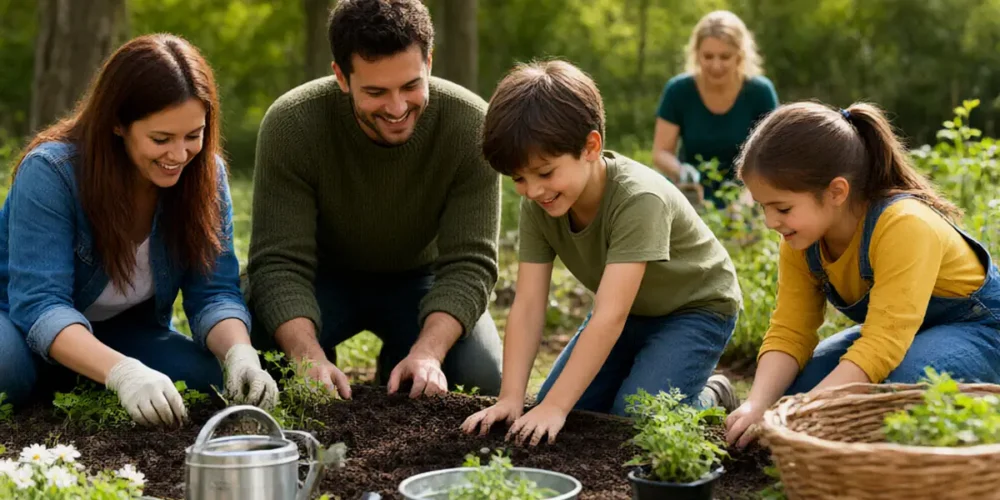
Volunteering with Kids: How Families Can Make a Difference in Australia
It’s 5pm on a Tuesday at a community hall in Western Sydney, and our eight-year-old is carefully ladling pumpkin soup while our four-year-old is trying to sneak bread rolls onto every tray at once. There’s steam, there’s laughter, there’s a small spill near the serving table — and there’s a room full of people who’ll eat a hot meal tonight because a handful of families showed up. That’s the messy, wonderful reality of volunteering with kids. It isn’t tidy, and it rarely goes to plan, but it might just be the most valuable thing we do together all week.
Why Volunteering as a Family Matters
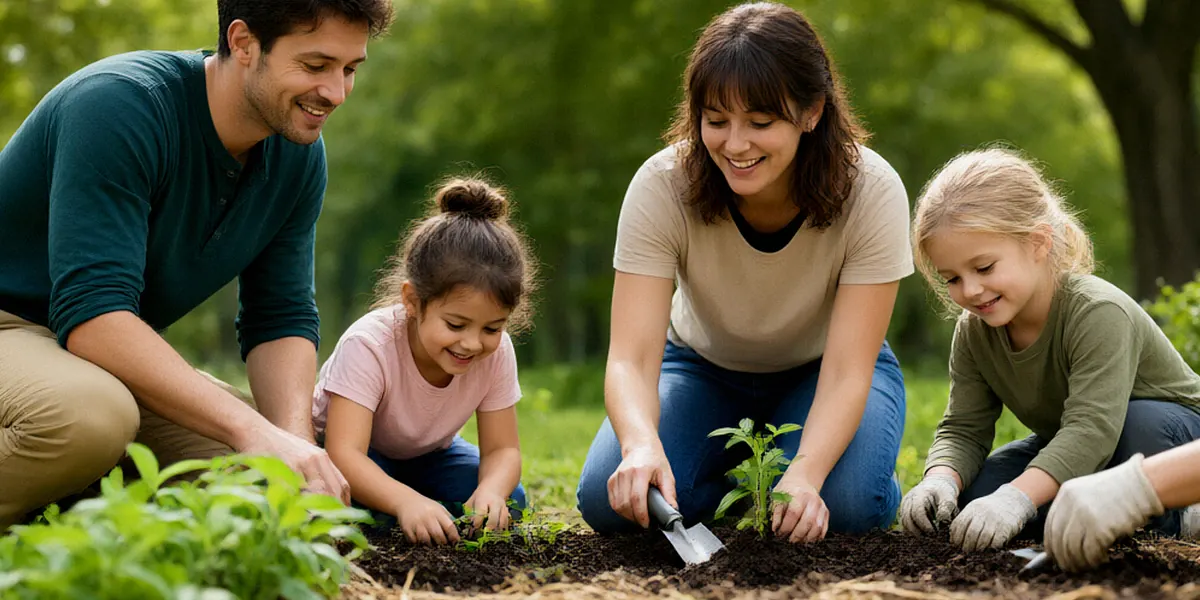
Volunteering Australia reports that millions of Australians give their time each year, and the research consistently shows that early exposure to helping others shapes how children see the world. When kids stand behind a serving counter at a community meal or pack a box of rescued produce, charity stops being an abstract word and becomes something they can touch, smell and carry.
Building Empathy and Social Awareness
Children who meet people from different walks of life — a newly arrived family, an older person doing it tough, a uni student skipping meals to pay rent — develop a far more grounded understanding of hardship than any classroom lesson can offer. Food rescue charities like OzHarvest often run school and family sessions that explain how a third of the food produced worldwide is wasted while people go hungry. That single fact lands differently when a child has personally sorted that food into boxes.
Strengthening Family Bonds
There’s something about working side by side with no screens involved that opens up conversation. Our team hears it constantly from families: the best chats happen in the car on the way home from a shift, when a child asks why someone needed a free meal. Those moments build connection in a way that a Saturday morning of errands never will.
Creating Lifelong Volunteers
Adults who volunteered as children are significantly more likely to keep volunteering later in life. If we want a culture of giving to survive in Australia, it starts with kids who associate charity with belonging, not obligation.
Age-Appropriate Volunteering Opportunities for Kids
Not every role suits every age, and that’s fine. Here’s how we think about matching kids to the right task.
Toddlers and Preschoolers (2-5 years)
Little ones can’t handle knives or hot food, but they can decorate placemats, draw cards for meal recipients, or drop non-perishable items into collection boxes. Many food rescue packing sessions run by OzHarvest welcome supervised young children for simple sorting tasks like grouping apples or stacking empty crates.
Primary School Kids (6-12 years)
This is the sweet spot. Primary-aged kids can help set tables, serve cold items, pack grocery hampers, carry trays and write thank-you notes for donors. Foodbank Australia’s school holiday programs and many Meals on Wheels branches offer family shifts where a parent works alongside their child.
Teenagers (13-18 years)
Teens can take on real responsibility: cooking under supervision, running a fundraising stall, managing a donation drive at school, or leading a team of younger volunteers. Many local charities actively look for teen leaders, and hours can often count towards school service requirements.
Finding Family-Friendly Volunteering in Australia
The biggest hurdle isn’t willingness — it’s knowing where to look.
Researching Local Charities and Community Meals
Start with national organisations that have family programs: Foodbank Australia runs state-based volunteer hubs, Meals on Wheels has branches in most councils, and The Smith Family coordinates learning and mentoring programs that welcome family involvement. Then check your local council website — many run community meal nights, food rescue partnerships and neighbourhood centres that need regular helpers.
Checking Age and Supervision Requirements
Always ask three questions before committing:
- What’s the minimum age for this role?
- Does a parent need to stay and supervise?
- Are there working-with-children checks or inductions required?
Most charities will be upfront, and knowing the rules upfront saves everyone a stressful first shift.
Starting with One-Off Events
Rather than signing up for a weekly commitment, try a single event first — a Christmas hamper drive, a community barbecue, a food rescue packing day. One-off shifts let kids test the waters without pressure, and they give parents a chance to see what actually works for their family.
Balancing Volunteering with School and Activities
Between homework, sport, music lessons and everything else, adding volunteering can feel impossible. It isn’t — it just needs to be realistic.
Setting Realistic Expectations
One shift a month is a genuine contribution. Two hours on a Saturday morning is enough. We’ve seen families burn out because they tried to do weekly shifts during a busy term and ended up resenting it.
Involving Kids in Planning
Let kids choose the cause. A child who loves animals might prefer a pet food drive; a child who loves cooking might want to help at a community meal. Ownership makes a huge difference to enthusiasm.
Making It a Regular Ritual
Anchor volunteering to something already in your routine — the first Sunday of the month, the last Saturday of the school holidays. Rituals survive busy seasons far better than spontaneous good intentions.
Overcoming Common Challenges
Every family hits obstacles. Here’s how we handle the most common ones.
Managing Safety and Supervision
Kitchens are hot, sharp and busy. Keep young children away from cooking zones, assign them tasks in cooler areas, and always maintain a 1:1 parent-to-child ratio in unfamiliar settings. The Smith Family and most major charities provide clear safety briefings — read them properly.
Dealing with Difficult Emotions
Kids may ask hard questions about homelessness, hunger or why someone needs help. Answer honestly and simply. It’s okay to say, “I don’t know, but we’re helping today.” Let them process at their own pace.
Handling Scheduling Conflicts
If a shift clashes with a birthday party or a game, skip it. Volunteering is meant to add to family life, not compete with it. Charities understand — most would rather have a committed family once a month than a stressed one every week.
Beyond Volunteering: Fundraising and Advocacy
Hands-on shifts are just one way families can help. Sometimes the biggest impact comes from organising something yourself.
Organising a Family Fundraiser
A backyard movie night, a bake sale at school, a sponsored walk — small fundraisers teach kids that their ideas can generate real money for charity. Pick a local cause and let the kids run the show.
Hosting a Food Drive
Ask neighbours, friends and your school community to donate non-perishables, then deliver them to Foodbank Australia or a local community meal provider. Kids love the collection and sorting part.
Speaking Up for Change
Write to your local MP about food waste, hunger or funding for community meals. Help kids understand that charity isn’t just about giving — it’s also about making the system fairer.
Frequently Asked Questions
What’s the youngest age a child can volunteer in Australia?
It varies by organisation. Many charities welcome children from age 2-3 for simple supervised tasks like decorating or sorting, while others require volunteers to be at least 12 or 14. Always check directly with the charity before booking a shift.
Do we need police checks or working-with-children checks?
For roles involving direct contact with vulnerable people, yes — most Australian charities require a Working with Children Check, which is free in most states. Parent-supervised family shifts are often exempt, but confirm with the organisation.
How do we find community meals near us?
Check your local council website, search for neighbourhood centres, or contact Meals on Wheels and Foodbank Australia for referrals. Many community meals operate through churches, mosques and community halls and welcome family volunteers.
Can volunteering count towards school requirements?
Often yes. Many secondary schools recognise volunteering hours for service awards or Duke of Edinburgh programs. Ask your school and the charity to sign off on hours completed.
What if my child doesn’t enjoy it?
That’s okay. Try a different type of volunteering — food rescue, fundraising, animal welfare or environmental work. Not every child connects with every cause, and forcing it can turn them off charity for years.
Volunteering with kids isn’t about perfect shifts or impressive hours logged. It’s about showing up together, doing something small and useful, and letting our children see that charity is something ordinary families do — not something reserved for other people. Start with one afternoon, one food drive, one community meal. The rest tends to follow.