
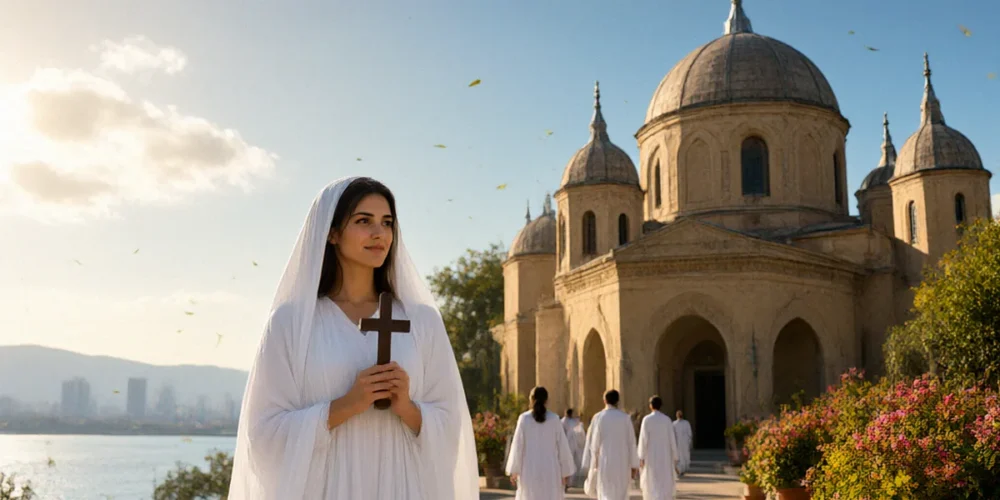
The Coptic Community in Australia: Faith, Charity, and Community Meals
We still remember the first time we walked into a Coptic church hall in Sydney for what we thought would be a quiet Friday night meal. Within minutes, someone had pressed a plate of rice and stew into our hands, another volunteer was pouring tea, and a teenager was asking us where we were from. We had come to write about charity and community meals. We left three hours later with full stomachs, new friends, and a much better understanding of how faith and service fit together in the Coptic tradition. That evening at St. Mark’s Coptic Orthodox Church was our introduction to a community that has quietly become one of the most organised charitable networks in Australia.
Who Are the Copts? A Brief History of Coptic Migration to Australia

The Coptic Orthodox Church traces its origins to first-century Egypt, where St. Mark is traditionally credited with founding the church in Alexandria. Copts are members of this ancient Christian tradition, and today they form the largest Christian community in the Middle East. Their liturgy, language, and calendar are distinct from both Eastern Orthodox and Catholic traditions, and their identity has been shaped by centuries of perseverance as a minority faith in Egypt.
Migration to Australia began in small numbers in the mid-twentieth century and grew steadily through the 1960s, 1970s, and beyond, driven by economic opportunity, family reunification, and periods of religious and political pressure in Egypt. Today, Coptic communities are well established across Australia, with the largest concentrations in Sydney and Melbourne, and growing parishes in Brisbane, Adelaide, and Perth.
Early Coptic Settlers in the 1960s and 1970s
The first Coptic families arrived in Australia in the 1960s, many of them professionals and students who settled in the western and south-western suburbs of Sydney. With no dedicated church building, early gatherings took place in rented halls and private homes, where small groups kept the liturgy alive and supported one another through the practical challenges of resettlement. These informal networks became the foundation for everything that followed, including the charitable work that continues today.
Growth of Coptic Parishes in Major Cities
By the 1980s and 1990s, the community had grown enough to establish permanent churches. St. Mark’s Coptic Orthodox Church in Sydney became a central hub for worship, cultural events, and welfare support, and similar parishes emerged across Melbourne and other capitals. These churches do far more than hold services. They run Sunday schools, youth groups, settlement support, food programs, and fundraising drives, effectively acting as community centres for thousands of families.
Coptic Charity in Action: Food Rescue and Community Meals
Ask anyone involved in Coptic charity in Australia what the work looks like week to week, and you will hear the same themes: food, hospitality, and showing up consistently. Coptic churches and affiliated organisations run food rescue programs and free community meals that serve anyone who walks through the door, regardless of faith or background. Much of this work happens in partnership with national food relief organisations.
Food Rescue Initiatives with OzHarvest
OzHarvest is one of the key partners for Coptic food rescue efforts. Volunteers collect surplus food from supermarkets, bakeries, and restaurants that would otherwise be thrown away, then sort and redistribute it through church kitchens and community meal programs. The model is simple but effective: rescued food becomes hot meals, grocery hampers, and packed lunches for people doing it tough. Several Coptic parishes also work with Foodbank, Australia’s largest food relief organisation, to access bulk staples and fresh produce that keep weekly meal programs running.
For volunteers, food rescue is often the entry point into the broader charity network. A typical shift involves:
- Collecting surplus food from partner stores and markets
- Checking quality and sorting items for immediate use or storage
- Preparing meals in church kitchens for community dinners
- Packing hampers for families, students, and newly arrived migrants
- Delivering food to elderly community members who cannot travel
Weekly Community Meals at St. Mark’s Coptic Orthodox Church
St. Mark’s Coptic Orthodox Church in Sydney runs community meals that have become a fixture for both congregation members and the wider public. The meals are free, open to all, and typically include a hot main dish, bread, and dessert, with volunteers cooking in shifts from the early afternoon. What strikes visitors most is the atmosphere. There is no queue of strangers. People sit together, share tables, and stay long after the food is finished. For many regulars, the meal is the only social contact they have all week.
Volunteering with Coptic Organisations: What to Expect
One of the questions we hear most from readers is how to get involved. The good news is that Coptic organisations welcome volunteers from outside the community, and there is a role for almost every skill set. Coptic Youth Australia, the national youth arm of the church, is particularly active in coordinating volunteers for meals, fundraising, and outreach, and it is often the easiest place for newcomers to start.
Hands-On Roles: Serving and Cooking
Front-line volunteering covers cooking, plating, serving, washing up, and chatting with guests. No prior experience is needed. Kitchen coordinators provide instructions, and shifts usually run two to four hours. If you can chop vegetables, carry a tray, or make conversation over a cup of tea, you are useful. Many volunteers tell us the serving role is the most rewarding because it puts you face to face with the people the program exists to help.
Behind the Scenes: Fundraising and Event Planning
Not everyone wants to be in a kitchen, and that is fine. Coptic charities rely heavily on people who can write grant applications, manage social media, coordinate rosters, drive vans, handle bookkeeping, or organise fundraising events. These behind-the-scenes roles are often the difference between a program running once a month and running every week. If you have professional skills you are willing to donate, there is almost certainly a parish or youth group that needs them.
Fundraising and Major Events: How the Coptic Community Gives Back
Fundraising is woven into the rhythm of Coptic community life. Money raised goes in two directions: to local causes such as shelters, food relief, and emergency support for families in crisis, and to overseas causes, particularly in Egypt, where Coptic charities support orphanages, schools, medical clinics, and communities facing hardship.
The Coptic Festival in Sydney
The Coptic Festival in Sydney is one of the largest public events on the community calendar. It brings together thousands of visitors for Egyptian food, music, craft stalls, and cultural performances. The festival serves a dual purpose: it introduces Coptic culture to the broader Australian public, and it raises significant funds for charitable programs both locally and abroad. For volunteers, it is also one of the most fun ways to contribute, whether you are working a food stall, guiding visitors, or helping with setup and pack-down.
Charity Drives for Egypt and Local Shelters
Beyond the festival, parishes run regular charity drives throughout the year. These include winter clothing appeals, school supply collections for newly arrived families, Christmas hampers, and emergency appeals for communities in Egypt facing economic or humanitarian challenges. Local shelters and women’s refuges are frequent beneficiaries, and many parishes maintain ongoing relationships with them rather than one-off donations.
The Impact of Coptic Charity on Australian Society
The scale of Coptic charitable work is easy to underestimate because much of it happens without publicity. Thousands of meals are served each year, tonnes of food are rescued from landfill, and hundreds of volunteers give their time weekly. But the impact goes beyond numbers. These programs build relationships between communities that might otherwise never meet, and they strengthen the social fabric of the suburbs where they operate.
Partnerships with Anglicare and St. Vincent de Paul
Coptic organisations work alongside major Australian charities including Anglicare and the St. Vincent de Paul Society. These partnerships take different forms: joint food distribution, referrals for people needing housing or counselling support, shared volunteer training, and coordinated responses during emergencies such as bushfires and floods. Working across faith traditions has proven particularly effective, because each organisation brings different networks, resources, and community trust.
Stories of Transformation: From Recipient to Volunteer
Perhaps the most powerful stories we have heard are from people who first came to a community meal as a guest and later returned as a volunteer. A man who arrived in Sydney with nothing and relied on food hampers for six months now coordinates deliveries for his local parish. A university student who used the weekly meals during a difficult first year now runs the roster for Coptic Youth Australia. These stories are not unusual. They are the natural result of a model built on dignity and consistency rather than one-off handouts.
The Coptic community’s charitable work in Australia is a clear example of faith in action: food rescued and shared, meals served without conditions, and volunteers who keep showing up. Whether you want to cook, drive, organise, or donate, there is a place for you. Getting involved starts with a single shift or a single gift, and as we found on that first Friday night in Sydney, you will likely get far more out of it than you give.
FAQ
Can non-Copts volunteer with Coptic charity programs?
Yes. Coptic churches and organisations such as Coptic Youth Australia welcome volunteers from all backgrounds. You do not need to be Coptic, religious, or a regular churchgoer to help with community meals, food rescue, or fundraising events.
What is the easiest way to start volunteering?
Contact your nearest Coptic parish or reach out to Coptic Youth Australia and ask about upcoming community meals or food rescue shifts. Most programs need extra hands on weekends and weekday evenings, and no prior experience is required.
Do Coptic community meals cost anything?
No. Community meals run by Coptic churches, including the weekly meals at St. Mark’s Coptic Orthodox Church in Sydney, are free and open to anyone. There is no means testing and no expectation to give anything in return.
How does food rescue with OzHarvest and Foodbank work?
Volunteers collect surplus food from retailers and suppliers, then sort and redistribute it through church kitchens and hampers. OzHarvest and Foodbank provide access to larger volumes of food that individual parishes could not source on their own.
Where does the money raised at Coptic fundraising events go?
Funds support both local and overseas causes. Locally, money goes to shelters, food relief, and emergency family support, often through partnerships with Anglicare and the St. Vincent de Paul Society. Overseas, it supports schools, clinics, and orphanages in Egypt.