
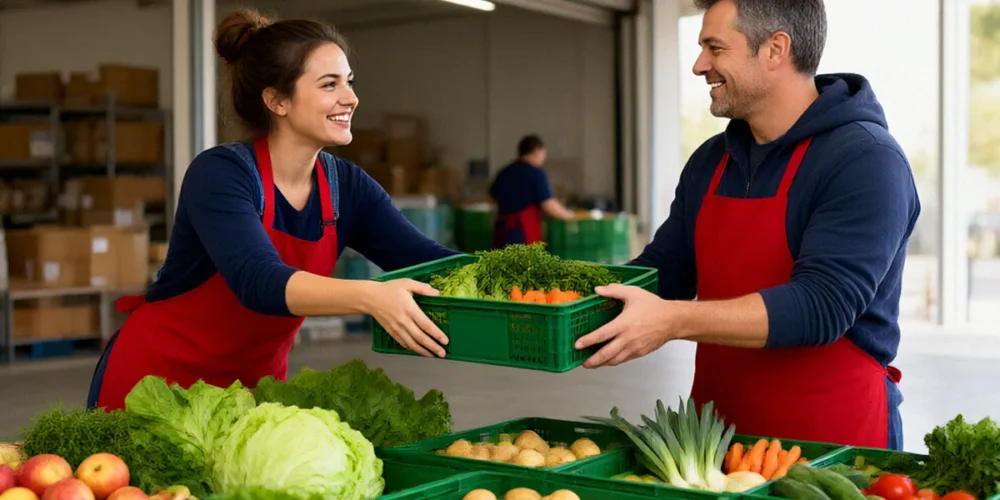
Food Rescue: Cutting Waste, Feeding People
Every year, Australia throws away 7.6 million tonnes of food. That’s enough to fill the Melbourne Cricket Ground nearly nine times over, and it happens while 3.7 million households struggle to put enough food on the table. It’s a staggering contradiction, but it’s one that food rescue charities are working to fix every single day. Our team has spent time on the ground with food rescue volunteers, sorting pallets of rescued produce and serving community meals, and what we’ve seen first-hand is that the solution already exists — it just needs more hands, more funding, and more awareness.
The Scale of Food Waste in Australia
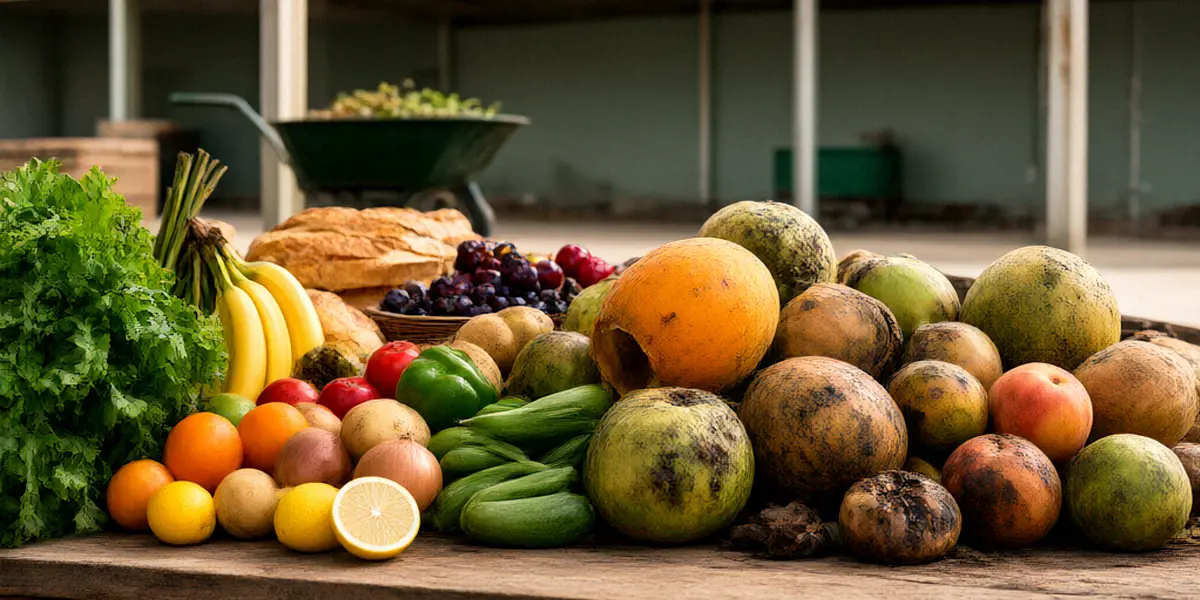
Australia wastes 7.6 million tonnes of food each year, according to the National Food Waste Strategy. That waste costs the economy around $36.6 billion annually, and it happens while millions of Australians experience food insecurity. The numbers are uncomfortable, but they also show how much good food is available if we can redirect it in time.
Two of the biggest names in Australian food rescue are OzHarvest and Foodbank Australia. OzHarvest collects surplus food from hundreds of donors and delivers it directly to charities, while Foodbank Australia operates a national network of warehouses supplying food relief to community organisations. Together, they rescue tens of millions of kilograms of food every year — but there’s still far more waste than they can catch.
Why So Much Food Goes to Waste
Food waste happens at every stage of the supply chain. Farmers leave crops in the field when supermarket specifications aren’t met. Retailers over-order stock that doesn’t sell in time. Households buy more than they eat and let leftovers spoil. Cafes and restaurants plate up more than customers finish. Much of this food is perfectly safe and edible — it simply arrives at the wrong place at the wrong time.
The Environmental Impact of Food Waste
When food rots in landfill, it releases methane, a greenhouse gas far more potent than carbon dioxide in the short term. Food waste in Australia accounts for roughly 3% of national greenhouse gas emissions. It also wastes the water, energy, fuel, and labour that went into growing, transporting, and storing that food in the first place. Rescuing food isn’t just a social good — it’s a climate action.
How Food Rescue Works: From Surplus to Support
Food rescue is a logistics operation that runs on generosity and grit. Supermarkets like Coles and Woolworths donate surplus stock, charities like SecondBite and FareShare rescue it, and volunteers sort and redistribute it to people who need it. Refrigerated vans are essential — they keep perishable food safe during transport — while community hubs act as distribution points for local families and meal programs.
The Journey of Rescued Food
Here’s how a typical rescue plays out:
- A supermarket flags surplus bread, fruit, and dairy before it hits its use-by date.
- A food rescue charity sends a refrigerated van to collect the donation.
- Volunteers sort the food, checking quality and separating items for different programs.
- Food is delivered to community kitchens, food pantries, or emergency relief hubs.
- Meals are cooked and served, or hampers are packed for families to take home.
From donation to plate, the whole process can take less than 24 hours — which is why cold chain logistics matter so much.
Key Organisations Leading the Charge
SecondBite works with Coles and other retailers to redistribute fresh food to more than 1,000 community partners. FareShare runs Australia’s largest charity kitchens, cooking rescued food into free, nutritious meals. Foodbank Australia supplies frontline charities with staples and fresh produce. OzHarvest runs the yellow van fleet you’ve probably seen around town, plus education programs like NEST and FEAST that teach people how to cook with rescued ingredients.
Community Meals: More Than Just a Feed
Community meals are where food rescue meets human connection. Organisations like St Vincent de Paul and local churches run regular meal services that offer far more than a hot dinner. They offer a seat at a table, a conversation, and a moment of dignity for people who might otherwise eat alone.
The Social Benefits of Shared Meals
Sharing a meal is one of the oldest ways humans build community. For people experiencing homelessness, isolation, or financial stress, a community meal can be the highlight of their week. It reduces loneliness, builds trust, and creates a pathway to other support services. Dignity and choice matter too — guests should be able to choose what they eat, sit where they like, and be treated as welcomed guests rather than recipients of charity.
Examples of Successful Community Meal Programs
St Vincent de Paul’s Fred’s Van and similar mobile meal services operate in cities across Australia, serving hot food to people sleeping rough. Many Sikh gurdwaras run free community kitchens open to anyone, regardless of background. FareShare’s kitchen in Melbourne produces thousands of meals each week for partner charities. And countless local churches, neighbourhood centres, and Rotary clubs run weekly dinners that quietly hold communities together.
Volunteering: The Backbone of Food Rescue
None of this works without volunteers. Volunteering Australia supports volunteer involvement across the food rescue sector, and the need is constant — not just at Christmas, but every week of the year. Volunteers drive vans, sort produce, cook meals, serve guests, pack hampers, and run the admin that keeps it all moving.
Our team spent a Saturday morning sorting rescued vegetables at a community hub, and the experience was humbling. In three hours, a dozen volunteers turned a chaotic pile of donated produce into hundreds of family-sized hampers. It was physical, unglamorous work — and it was one of the most meaningful mornings we’ve had.
Roles for Every Skill Set
You don’t need to be able to lift crates or drive a van to help. Food rescue charities need:
- Drivers with a standard or heavy vehicle licence
- Sorters and packers at warehouses and community hubs
- Cooks and kitchen hands for community meal programs
- Servers and hosts at meal services
- Admin, social media, and fundraising volunteers
- Skilled professionals offering pro bono legal, accounting, or IT support
How to Get Involved in Your Local Area
Start by searching for food rescue charities operating near you — OzHarvest, Foodbank, SecondBite, and FareShare all list volunteer opportunities on their websites. Volunteering Australia’s state-based volunteer resource centres can also match you with local organisations. Many community meal programs run by churches and neighbourhood centres recruit directly, so a quick call or email to a local hub is often the fastest way in.
Fundraising and Support: Keeping the Wheels Turning
Refrigerated vans, warehouse space, fuel, insurance, and staff all cost money. Fundraising is what keeps food rescue operations running, and it comes from corporate partnerships, government grants, and community events. The Great Australian Bake Off has raised funds for food rescue charities, and local fundraisers like ‘Empty Bowls’ — where guests buy a bowl of soup and keep the handmade bowl — have become beloved community traditions.
Creative Fundraising Ideas
You don’t need a big budget to make a difference. Consider a workplace bake sale, a sponsored walk, a trivia night, a community garden harvest dinner, or a ‘give what you’d spend on takeaway’ challenge. Schools can run mufti days, and sports clubs can dedicate a match day to a local food rescue partner.
The Role of Corporate Partnerships
Corporate partnerships are the engine room of food rescue. Supermarkets like Coles and Woolworths donate surplus stock and fund logistics. Banks, law firms, and logistics companies provide pro bono expertise and warehouse space. Many employers also run matched-giving programs and volunteer days, which multiply the impact of individual contributions.
The Future of Food Rescue in Australia
The National Food Waste Strategy aims to halve food waste by 2030 — a target that will require innovation, policy change, and community action working together. We’re optimistic, because the tools are already emerging.
Technological Solutions
Apps like Y Waste let businesses sell surplus food at a discount, while platforms like Olio connect neighbours with spare food. Food rescue charities are using data analytics to predict surplus and route vans more efficiently. Cold chain technology is improving, meaning more fresh food can be rescued safely.
Policy and Community Action
Governments at all levels are introducing food waste reporting requirements, tax incentives for donations, and funding for rescue infrastructure. But policy alone won’t hit the 2030 target — households, schools, and businesses need to change habits too. Planning meals, composting scraps, and supporting local food rescue charities all add up.
FAQ
What is food rescue?
Food rescue is the practice of collecting surplus, edible food from supermarkets, farms, restaurants, and other businesses and redistributing it to people in need through charities and community programs.
How much food does Australia waste each year?
Australia wastes 7.6 million tonnes of food annually, costing the economy around $36.6 billion and contributing significantly to greenhouse gas emissions.
Which charities lead food rescue in Australia?
OzHarvest and Foodbank Australia are the largest national food rescue charities, while SecondBite and FareShare also play major roles rescuing surplus food from retailers like Coles and Woolworths.
How can I volunteer for food rescue?
Contact OzHarvest, Foodbank, SecondBite, or FareShare directly, or reach out to Volunteering Australia’s state volunteer resource centres to find local opportunities.
What is the National Food Waste Strategy?
It’s an Australian government framework that aims to halve food waste by 2030 through prevention, rescue, and recycling measures across the supply chain.
Food rescue is one of the rare solutions that helps people and the planet at the same time. It turns waste into meals, isolation into connection, and good intentions into real action. Whether you have an hour a week to sort produce, a van to drive, or a few dollars to donate, you can be part of it. Reach out to a local food rescue charity today — the need is constant, and so is the opportunity to help.