
How Community Meal Programs Work: A Behind-the-Scenes Look
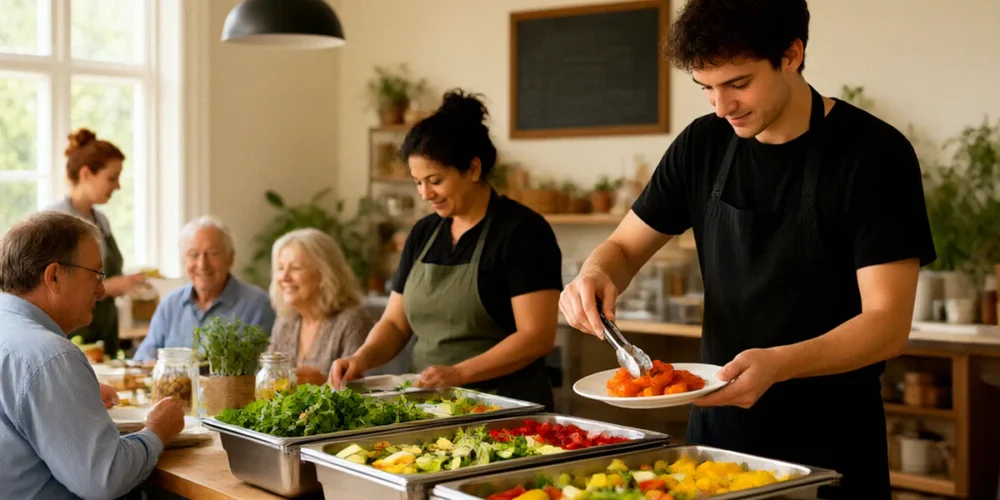
It’s 7am on a Saturday in a church hall in Sydney’s inner west, and the air already smells like onions and toasted bread. A handful of volunteers in aprons are chopping vegetables, someone’s stacking mismatched chairs into rows, and a van driver has just pulled up with crates of rescued fruit. By 11:30am, more than a hundred people will walk through the door for a hot meal. So where does all that food come from, and who actually makes it happen? We’ve spent time volunteering with community meal programs around Australia, and this is what we’ve learned about how they really operate.
The Heart of It: What Community Meal Programs Actually Do
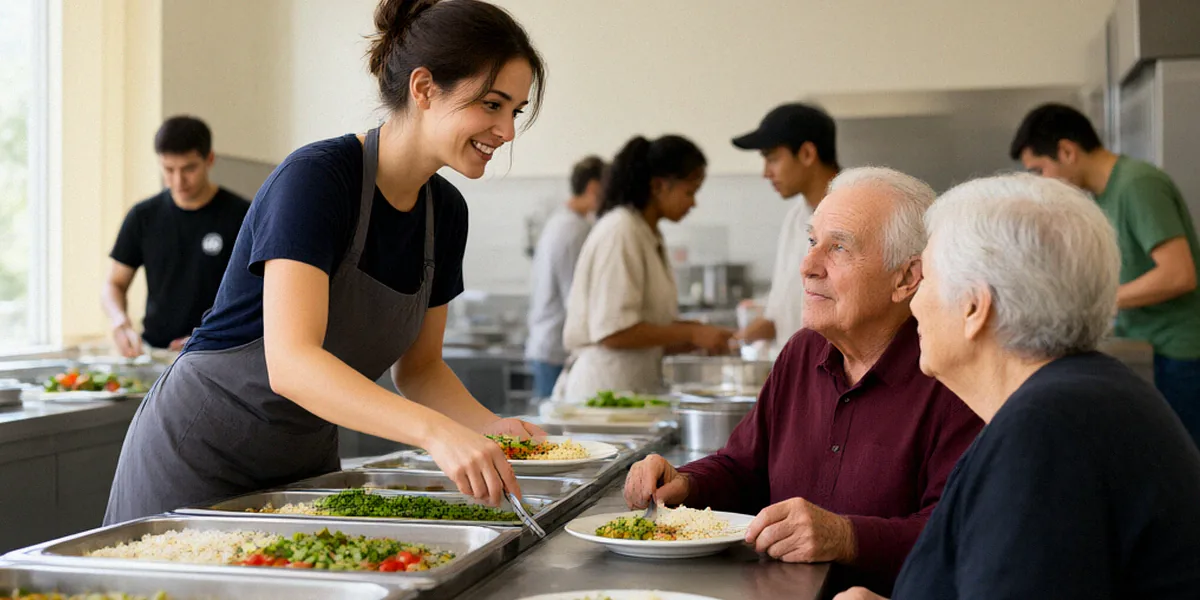
Community meal programs are exactly what they sound like: regular, free or low-cost meals served to anyone who shows up. But spend an hour at one and you’ll realise the food is almost the entry point. These programs run weekly, daily, or several times a week in church halls, neighbourhood centres, community kitchens, and parks across Australia. Many are operated by charities such as the St Vincent de Paul Society, local councils, and grassroots groups that started with one pot of soup and never stopped.
More Than a Meal: Social Connection and Dignity
The best programs are designed around dignity, not pity. That means no interrogation about why you’re there, no queue that feels like a handout line, and no expired food dumped on a plate. Instead, you’ll find table service, real cutlery, volunteers who sit down and chat, and a genuine mix of people—retirees, students, shift workers, new migrants, and folks doing it tough. Loneliness is a huge driver of demand. For many regulars, the meal is the only time they’ll speak to another human being all day.
Who Uses These Services? Breaking Down the Stereotypes
The stereotype of the “typical” guest is outdated. In reality, the queue includes:
- People on JobSeeker or the Age Pension whose rent eats most of their income
- International students and working holidaymakers between pay cycles
- Families stretching one income across school costs and groceries
- People experiencing homelessness or unstable housing
- Anyone who simply wants company and a decent meal
Most programs don’t ask questions, and that’s deliberate. The moment you start means-testing a free meal, you lose the people who need it most.
From Surplus to Plate: The Food Rescue Pipeline
Here’s the uncomfortable statistic behind the food: Australia wastes around 7.6 million tonnes of food a year, while millions of households struggle to put meals on the table. Food rescue organisations exist to bridge that gap. Foodbank Australia is the largest hunger relief organisation in the country, sourcing food from farmers, manufacturers, and retailers and redistributing it through a national network of charities. OzHarvest rescues surplus food from over 3,000 food donors and delivers it to more than 1,500 charities across Australia. SecondBite does similar work, largely funded through its partnership with Coles.
Where the Food Comes From: Supermarkets, Farms, and Cafes
The pipeline starts at the point of surplus. Supermarkets pull items nearing their best-before date, or with a dented box, or simply overstocked. Farms donate cosmetically imperfect produce that buyers reject. Cafes and restaurants hand over unsold trays at closing time. Fresh produce markets, bakeries, and catering companies round out the mix. Woolworths and Coles both run national food rescue partnerships, donating unsold edible food to charities like SecondBite and Foodbank, which then pass it down to local meal programs.
Food Safety and Logistics: Keeping It Fresh and Legal
Food rescue isn’t a free-for-all. Donated food must still meet food safety standards, and charities are protected under Good Samaritan provisions in Australian law when they donate in good faith. In practice, that means cold chain management, temperature checks, date labelling, and quick turnaround. Refrigerated vans, cool rooms, and same-day delivery are the norm. Volunteers are trained on safe handling, and anything questionable gets composted or sent to animal feed rather than served.
The Engine Room: Volunteers and Coordination
Volunteering Australia estimates that over 3 million Australians volunteer formally each year, with many involved in food relief. Community meal programs lean heavily on that workforce. A typical program might have a paid coordinator plus dozens of regular volunteers, backed by a rotating cast of corporate teams, school groups, and one-off helpers. Coordinators roster shifts weeks in advance, juggle last-minute dropouts, and match people to roles that suit their skills and comfort levels.
What Volunteers Actually Do (It’s Not Just Serving)
If you think volunteering means ladling soup, think again. Roles include:
- Driving and collecting rescued food from supermarkets and warehouses
- Sorting, checking, and storing deliveries
- Prepping vegetables and cooking bulk meals
- Serving, clearing tables, and washing up
- Greeting guests and managing the door
- Admin, rostering, social media, and grant writing
Some volunteers come every week for years. Others do one shift a month. Both are welcome—programs are built to absorb casual help, as long as coordinators know in advance.
Training, Safety, and Support for New Volunteers
Most organisations run an induction covering food safety, manual handling, and boundaries with guests. You’ll usually get a buddy for your first shift, and coordinators check in regularly. If a situation feels unsafe or emotionally heavy, there’s debriefing and support available. Good programs take volunteer wellbeing as seriously as guest welfare—burnout helps no one.
Funding the Feast: How Money Keeps the Lights On
Rescued food is free, but everything around it isn’t. Rent, electricity, gas, insurance, refrigerated vans, packaging, and paid coordinator roles all cost money. Programs patch together funding from state government grants, corporate partnerships, fundraising events, and individual donations. Fundraising often covers the unglamorous essentials—the power bill, the van rego, the coordinator’s wage—while donated food covers the plate.
Grants, Sponsorships, and Corporate Partnerships
State and local government grants are a major source of stability, though they’re competitive and often short-term. Corporate partnerships matter just as much. Woolworths and Coles run national food rescue partnerships, and plenty of smaller businesses sponsor a meal, cover a van, or send staff as volunteers. These relationships give programs predictability, which is gold when you’re feeding hundreds of people a week.
Fundraising That Works: Bake Sales to Trivia Nights
Community fundraising is where the personality lives. Trivia nights, sausage sizzles, bake sales, fun runs, raffles, and crowdfunding campaigns all contribute. Some programs run op shops or social enterprises alongside the kitchen. The best fundraisers do double duty—raising money and raising awareness, so new donors and volunteers walk through the door.
Behind the Scenes: A Week in the Life of a Meal Program
Every program runs differently, but here’s a realistic weekly rhythm for a mid-sized service.
Monday to Friday: Prep, Pickups, and Planning
Monday is pickup day—vans collect from supermarkets, Foodbank warehouses, and local bakeries. Tuesday and Wednesday are for sorting, checking dates, and planning menus around whatever arrived. Thursday is bulk prep: chopping, cooking sauces, portioning. Coordinators spend the week rostering volunteers, confirming donations, and handling the endless admin that keeps a kitchen legal and stocked. The Wayside Chapel in Sydney’s Kings Cross runs a daily community meal program that serves hundreds of people each week, and its behind-the-scenes operation looks much like this, seven days a week.
The Main Event: Serving Day Logistics
Saturday morning starts early. Volunteers arrive by 7am, set up tables and chairs, finish cooking, and brief the team. Doors open mid-morning. Guests are greeted, seated, and served. After the last plate is cleared, there’s cleanup, food storage, and a debrief. Then it starts again next week. Programs like the former Lentil as Anything in Melbourne showed how powerful a pay-as-you-feel model can be, though several of its locations have faced closures in recent years—a reminder of how fragile the funding can be.
How You Can Get Involved (Without Burning Out)
The single biggest thing programs need is reliable people. Not heroes—just people who show up when they say they will.
Finding a Program Near You
Start by contacting local charities like St Vincent de Paul Society, Foodbank, SecondBite, or your nearest neighbourhood centre. Most have online volunteer portals. Tell them your availability honestly, and start with one shift a month. You can always increase it later. Our team at stmerkorious.org volunteers regularly and is happy to point you toward resources and programs in your area.
Beyond Serving: Skills-Based and Behind-the-Scenes Roles
If you’d rather not work in a kitchen, your skills are still needed. Accountants, grant writers, social media managers, web developers, drivers, and event organisers are all in short supply. Skills-based volunteering often has a bigger impact than another pair of hands on the serving line.
FAQ
Do I need experience to volunteer at a community meal program?
No. Most programs provide induction and on-the-job training, and you’ll be paired with an experienced volunteer for your first shift. Reliability and a respectful attitude matter far more than prior experience.
Is the food safe to eat if it’s rescued from supermarkets?
Yes. Food rescue organisations follow strict food safety rules, including cold chain management and date checks. Donated food must still be safe and within date, and charities are protected under Good Samaritan laws when donating in good faith.
Can anyone attend a community meal, or do you need a referral?
Most community meal programs are open to anyone, no referral or Centrelink card required. Some may ask for a name for catering numbers, but the general philosophy is that if you’re hungry or lonely, you’re welcome.
How much of my donation actually goes to food?
It varies by organisation, but many programs rely on rescued food that costs nothing, so donations often cover rent, utilities, transport, and coordinator wages. Ask the charity directly—good ones publish annual reports and are happy to explain.
What’s the best way to start volunteering if I’m nervous?
Try a one-off shift at a fundraising event or a weekend service first. It’s low commitment, you’ll see how the program runs, and you can decide whether to become a regular. Starting small beats burning out in month one.
Community meal programs are a collective effort. Every rescued crate of vegetables, every donated dollar, every hour on the serving line, and every conversation at the table adds up to something bigger than a free feed. If you’ve been meaning to get involved, pick one small step this month—one shift, one donation, one email to a local charity. That’s how the whole thing keeps running.